National Curriculum – our aims
- At Keeble Gateway Academy, we offer a broad, inclusive history curriculum, based on the National Curriculum and the Elevate curriculum progression model for History. We have carefully designed a knowledge-rich curriculum, underpinned by a progression of skills. Through our school’s core values of aspiration and self-belief, we equip children to make excellent progress in history by knowing and remembering more. Wherever possible, knowledge has been organised chronologically to allow children to develop a clear chronological understanding of the past. The knowledge and skills build incrementally so that, by the end of Key Stage 2, children can know, understand and apply the subject content taught and be fully prepared for their secondary school history learning.
Our history curriculum is based on the following academic fingerprint:
KS1
“Pupils should develop an awareness of the past, using common words and phrases relating to the passing of time. They should know where the people and events they study fit within a chronological framework and identify similarities and differences between ways of life in different periods. They should use a wide vocabulary of everyday historical terms. They should ask and answer questions, choosing and using parts of stories and other sources to show that they know and understand key features of events. They should understand some of the ways in which we find out about the past and identify different ways in which it is represented.”
KS2
“Pupils should continue to develop a chronologically secure knowledge and understanding of British, local and world history, establishing clear narratives within and across the periods they study. They should note connections, contrasts and trends over time and develop the appropriate use of historical terms. They should regularly address and sometimes devise historically valid questions about change, cause, similarity and difference, and significance. They should construct informed responses that involve thoughtful selection and organisation of relevant historical information. They should understand how our knowledge of the past is constructed from a range of sources.”
Intent
· We use the Keeble way to bring together our core teaching pedagogies to create inclusive, quality first teaching. Our ambition is to create History scholars. Through our curriculum, we aspire to nurture a strong appetite for learning within History. We want pupils to love learning about the past and develop a solid chronological awareness within which they can develop and organise their understanding of the past, including events, major issues, places and people. We enable our children to articulate their learning confidently and to remember knowledge and vocabulary, taking their love of the subject, as well as highly developed skills and knowledge, into secondary school and beyond. Our innovative approaches are aimed at ensuring that all children, regardless of background or circumstance, are excited and engaged when learning History.
Impact
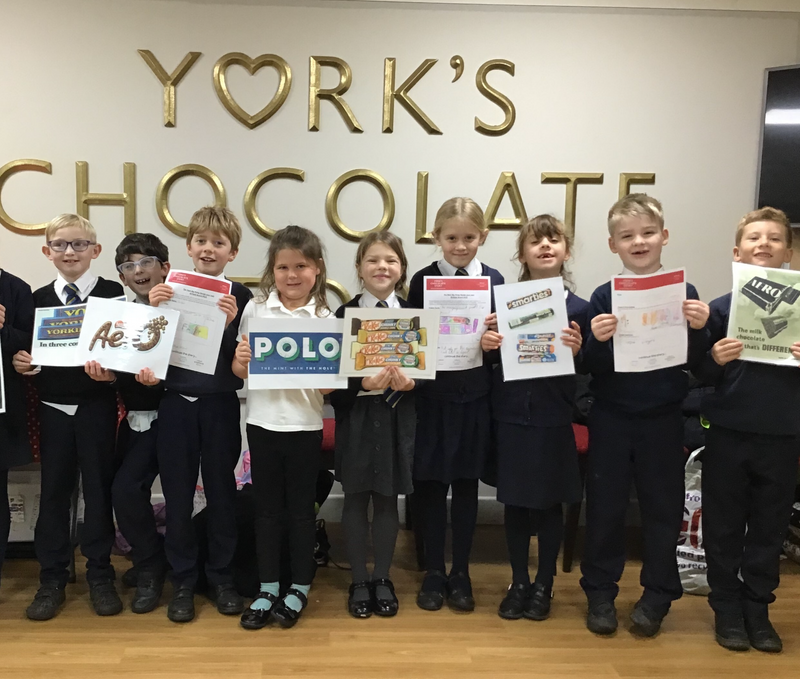
· Children enjoy history. They tell us this in our pupil voice. Children have a deep knowledge key historical figures and events, as well as how the world has changed over time.
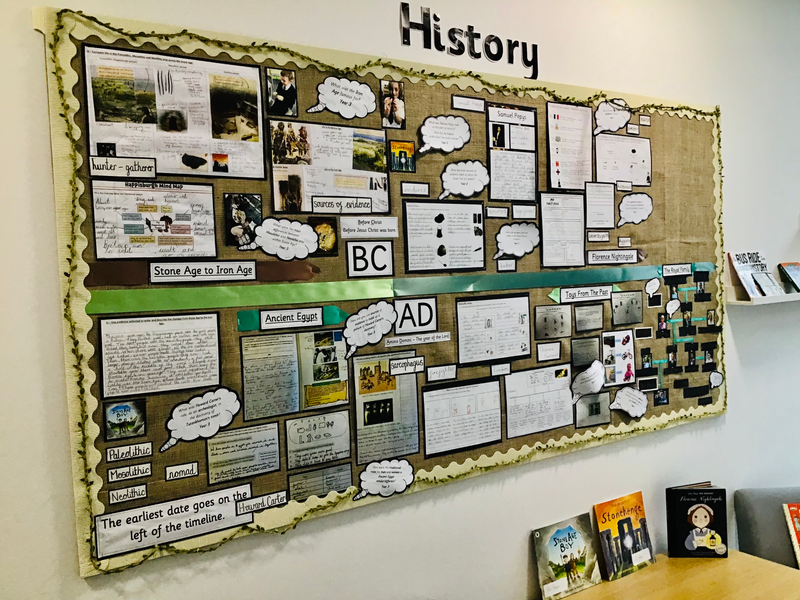
· Children are aware of chronology of history, using timelines in every classroom.
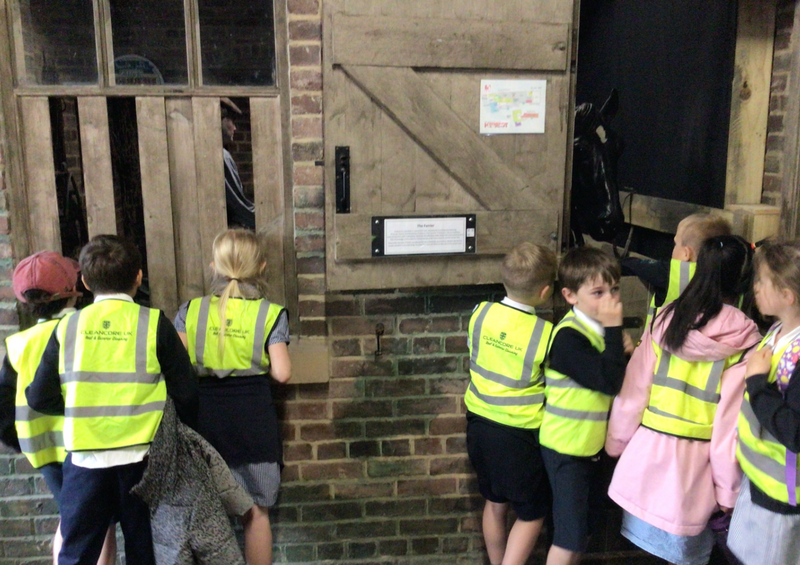
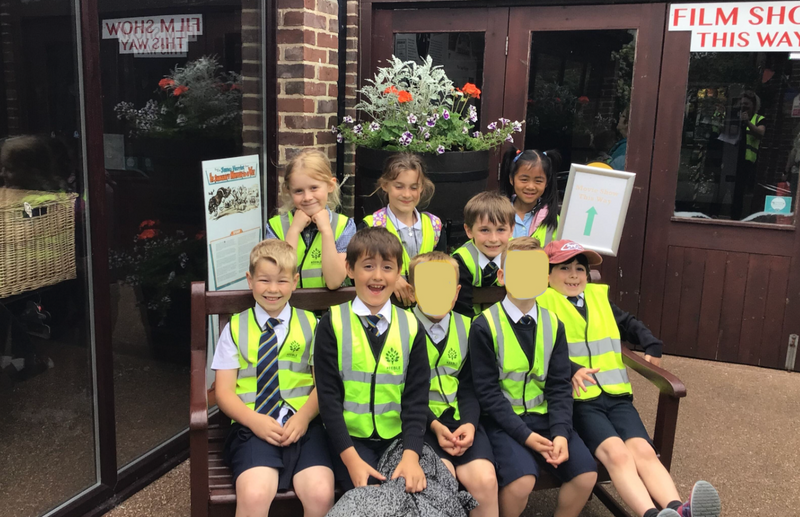
· Children will experience a range of school trips and visits throughout their time at Keeble
How has the history curriculum been organised as a whole? How were decisions made when deciding what to include or leave out?
EYFS
Children are first introduced to the concept of history through ‘Understanding the World’, as set out in the EYFS framework, which involves guiding the children to make sense of their physical world and community. The extent of this learning is underpinned by the ‘Past and Present’ ELG.
KS1
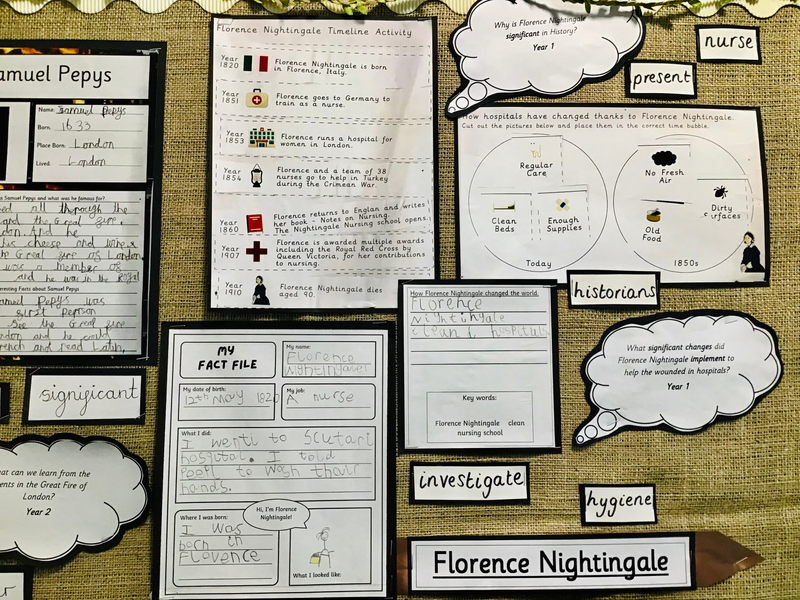
In Year 1, the children start by looking at changes within living memory (last c. 100 years) as this is the easiest concept for them to grasp at a young age. In the first and second units, children will use concrete artefacts, as well as the oral history of parents/ grandparents to support with this. In the third unit, children will be introduced to the idea of significant figures, looking at people within living memory.
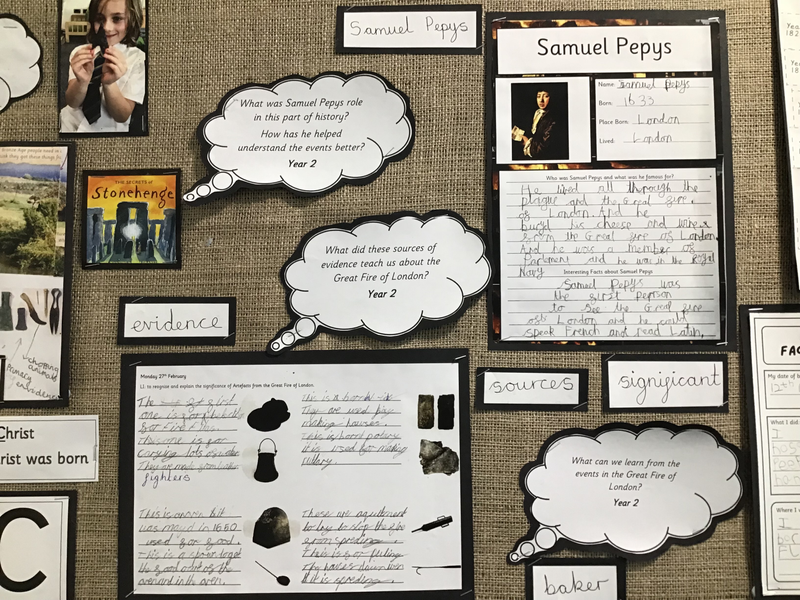
In Year 2, children start by looking at a significant figure within the local area, but beyond living memory. We recognise at Keeble that, while this is notably a progressive step from Year 1, the fact that the significant figure is from the local area provides that layer of support for the children, allowing them to make personal links to this individual, without the new learning being too abstract. The children then move on to looking at an event beyond living memory, which is significant nationally or internationally. Finally, they study two significant figures beyond living memory.
KS2
In KS2, our history curriculum is organised chronologically. This allows our children to develop a strong chronological understanding as they progress through the key stage. Furthermore, this prepares our children for KS3.
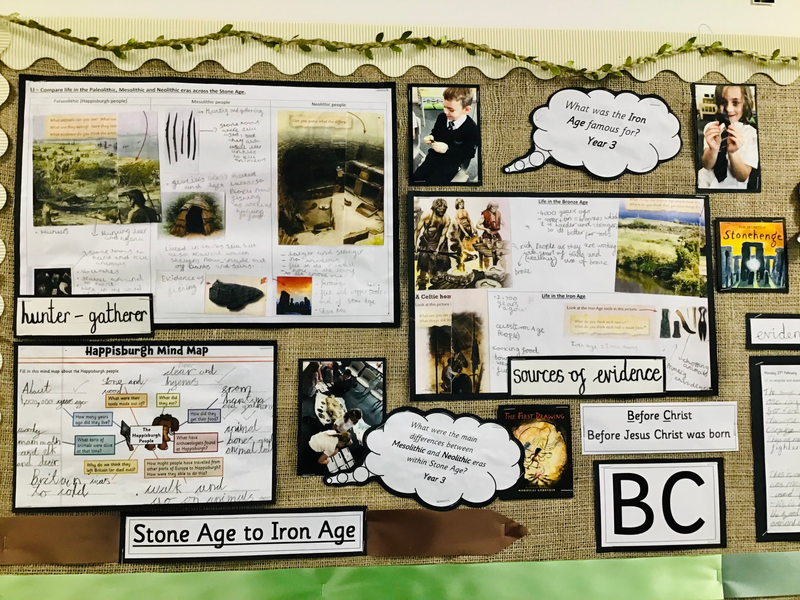
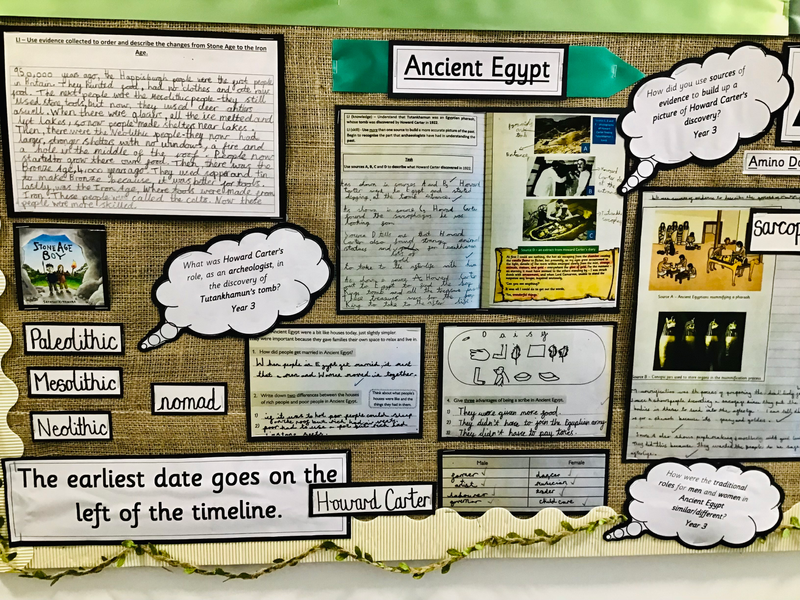
In Year 3, children start with local history post 1066. This links to their local history learning from KS1 and introduces the children to KS2 history in a geographical area that is familiar to them. Children then start their British History learning with the Stone Age to Iron Age, before moving onto learning about a First Civilisation.
In Year 4, children continue chronologically by learning about Ancient Greece. They refer back to their Year 3 knowledge of the Iron Age to ‘pin’ Ancient Greece chronologically. Year 4 then moves on to look at Roman Britain.
In Year 5, the children begin by studying the Anglo-Saxons and Scots (pre-Viking invasion). They move on to studying a non-European society c. 900 AD, which is compared to their understanding of Saxon society. Year 5 ends with the study of a theme over time (post-1066) within the local/regional area
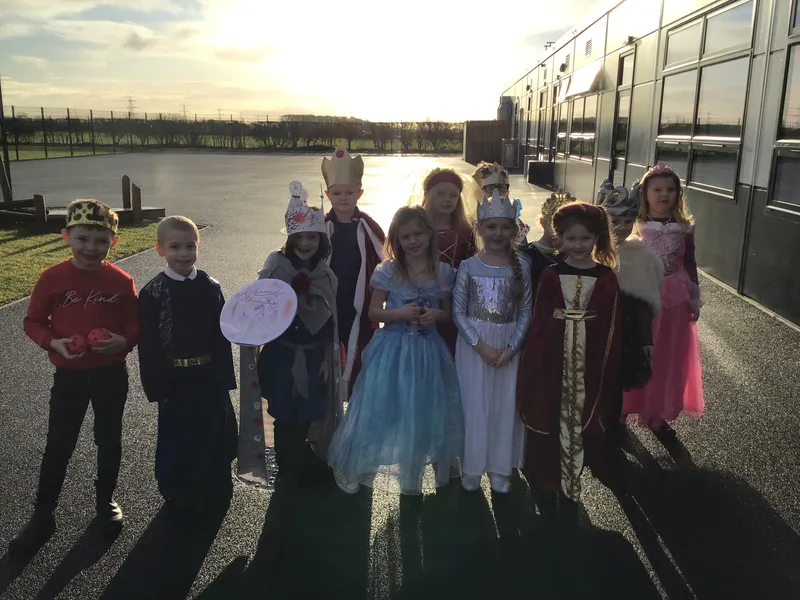
In Year 6, the children start with the Vikings and Saxons up to 1066. They then move to a theme study of a ‘turning point’ in British history post-1066. This gives our children a chance to study some British history beyond our pre-1066 focus and is a good opportunity to look at one or both World Wars.
How is the big idea maintained in the detail of a single lesson?
- Fidelity is given to the overarching unit objectives when it comes to planning the coverage of knowledge, skills and vocabulary from the history curriculum progression model. Teachers constantly refer to the following key questions to ensure the big idea of the unit is maintained in the detail of a single lesson: What do you want the children to know or be able to do? How will I model it? How will I check that every child is secure with their learning? What is my plan B? Where are the misconceptions likely to be? What have I prepared in order to mitigate the impact of these potential misconceptions?
How do we recognise and value children’s local and personal history?
- Through the teaching of local history studies in years 1, 2 and 3, with the optional local studies scheduled for year 4 and 6, children develop historical knowledge about significant people and events that are local to them. This promotes a sense of belonging and identify, making connections with local, national and global history.
What is the relationship between history and other subjects?
- School-wide policy recognises history as a fundamental subject in helping children define their sense of belonging in the wider world. The establishment of school ‘houses’, based on local heroes and linked to local places, helps children make connections to significant events and people on a local scale. These houses at Keeble have been named after Bumby, Lord, Hodgson and Herriot. Notably, Herriot was a significant veterinary surgeon in Thirsk and is widely celebrated today in our local area – there is a local James Herriot Museum in the centre of Thirsk, and we invited James Herriot’s daughter into school as a guest speaker to share with us the key achievements of James Herriot (her dad) as a significant individual in our local area.
- Through our aim of ensuring every child will read fluently and develop a love of reading, we use high quality texts to compliment the teaching of history. These are selected from a list of high-quality texts (fiction and non-fiction), which were compiled by me and Elevate Trust’s select group of subject specialists within the Curriculum Team. Using texts in whole-class reading that link with the history unit focus helps the children further consolidate their historical substantive knowledge.