
National Curriculum and the geography curriculum progression model – our aims
-
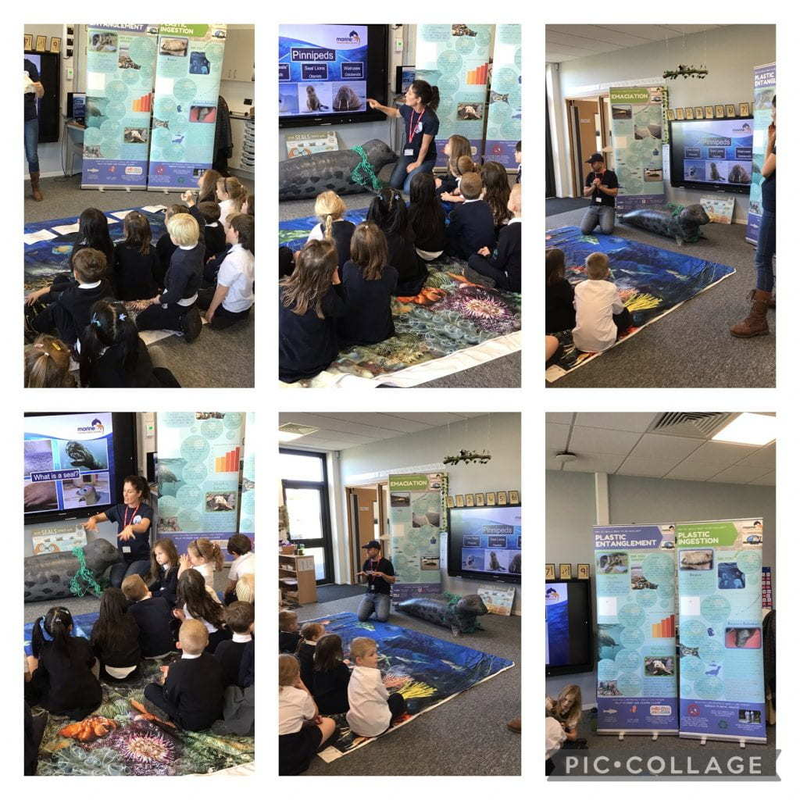
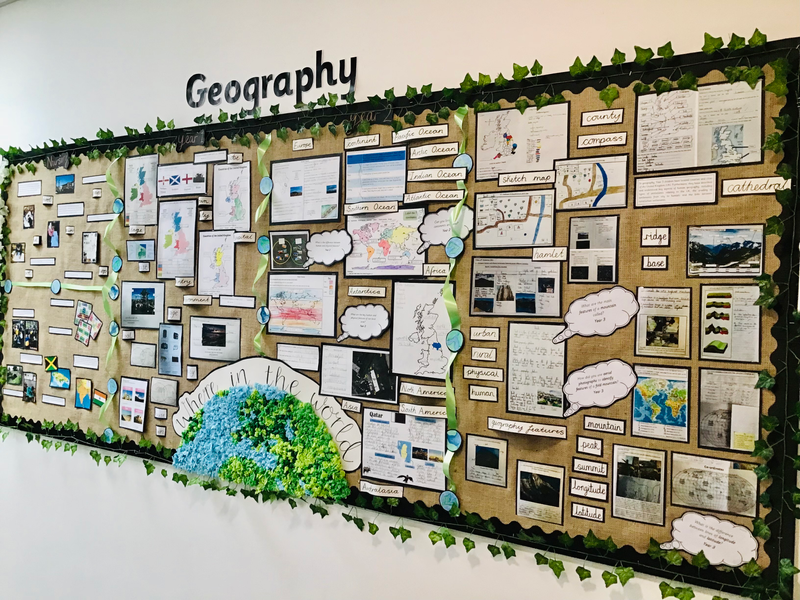
At Keeble Gateway Academy, we offer a broad, inclusive geography curriculum based on the National Curriculum and the Elevate curriculum progression model for geography. Our approach to teaching geography is to nurture children as geographers and global changemakers. We ensure our geography curriculum is increasingly demanding from Nursery-Year 6 to broaden and deepen pupils’ geographical knowledge. We ensure to provide our children with opportunities to enhance their personal geographies, including their awareness of the local area around them, as well as guiding the children to explore the wider world on a national and global scale.
Our Geography curriculum is based on the following academic fingerprint:
-
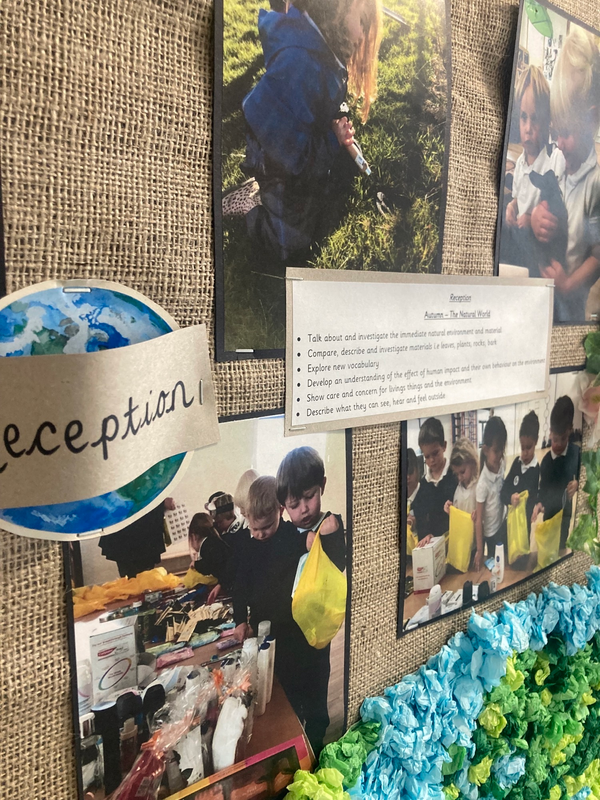
Children are first introduced to the concept of geography through ‘Understanding the World’, as set out in the EYFS framework, which involves guiding the children to make sense of their physical world and community. The extent of this learning is underpinned by the ‘People, Culture and Communities’ ELG.
KS1
Locational knowledge
-
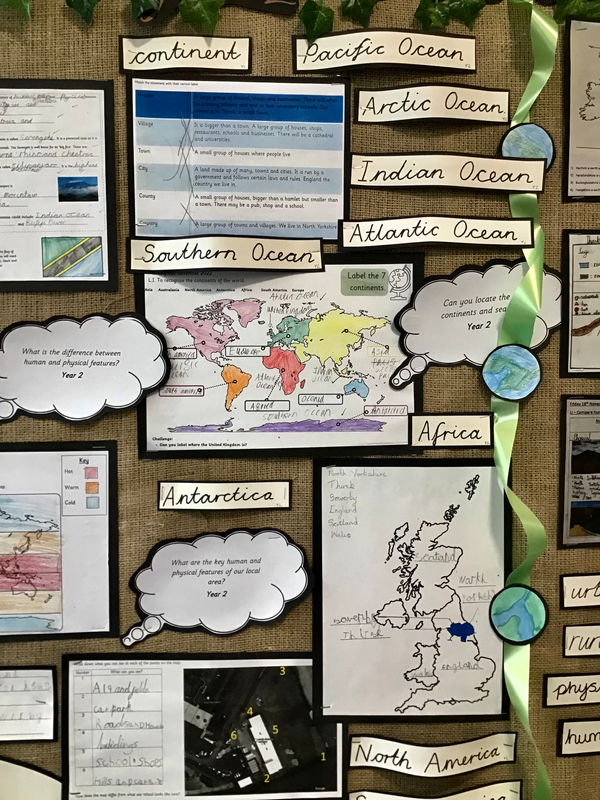
name and locate the world’s seven continents and five oceans
-
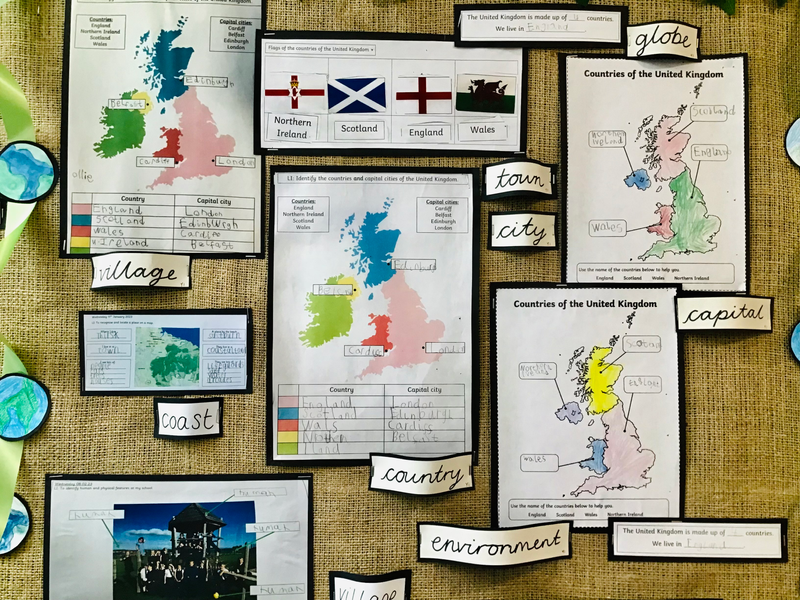
name, locate and identify characteristics of the four countries and capital cities of the United Kingdom and its surrounding seas
Place knowledge
-
understand geographical similarities and differences through studying the human and physical geography of a small area of the United Kingdom, and of a small area in a contrasting non-European country Human and physical geography
-
identify seasonal and daily weather patterns in the United Kingdom and the location of hot and cold areas of the world in relation to the Equator and the North and South Poles
-
use basic geographical vocabulary to refer to key physical features and key human features
Geographical skills and fieldwork
-
use world maps, atlases and globes to identify the United Kingdom and its countries, as well as the countries, continents and oceans studied at this key stage
-
use simple compass directions (North, South, East and West) and locational and directional language , to describe the location of features and routes on a map
-
use aerial photographs and plan perspectives to recognise landmarks and basic human and physical features; devise a simple map; and use and construct basic symbols in a key
-
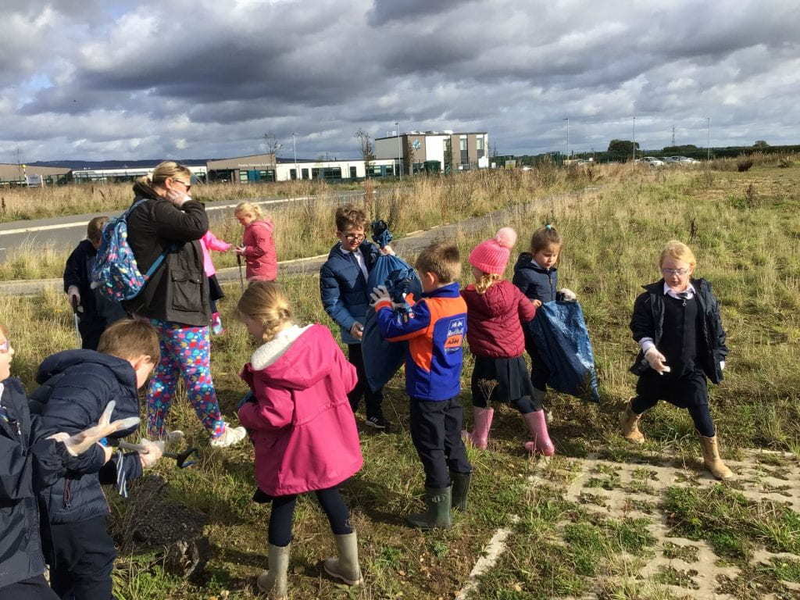
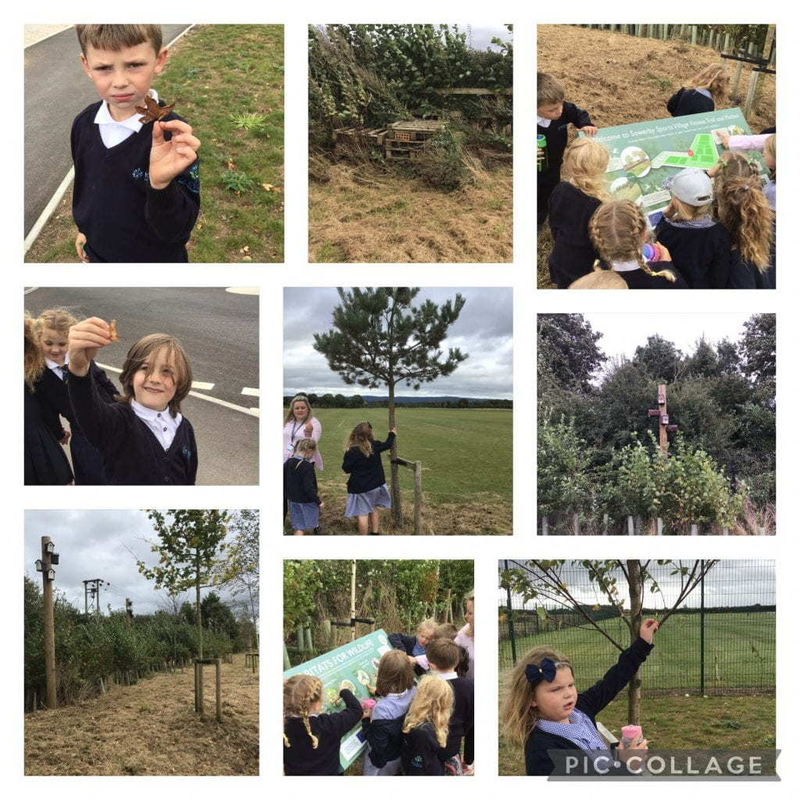
use simple fieldwork and observational skills to study the geography of their school and its grounds and the key human and physical features of its surrounding environment.
KS2
Locational knowledge
-
locate the world’s countries, using maps to focus on Europe (including the location of Russia) and North and South America, concentrating on their environmental regions, key physical and human characteristics, countries, and major cities
-
name and locate counties and cities of the United Kingdom, geographical regions and their identifying human and physical characteristics, key topographical features and land-use patterns; and understand how some of these aspects have changed over time
-
identify the position and significance of latitude, longitude, Equator, Northern Hemisphere, Southern Hemisphere, the Tropics of Cancer and Capricorn, Arctic and Antarctic Circle, the Prime/Greenwich Meridian and time zones
Place knowledge
-
understand geographical similarities and differences through the study of human and physical geography of a region of the United Kingdom, a region in a European country, and a region within North or South America Human and physical geography
-
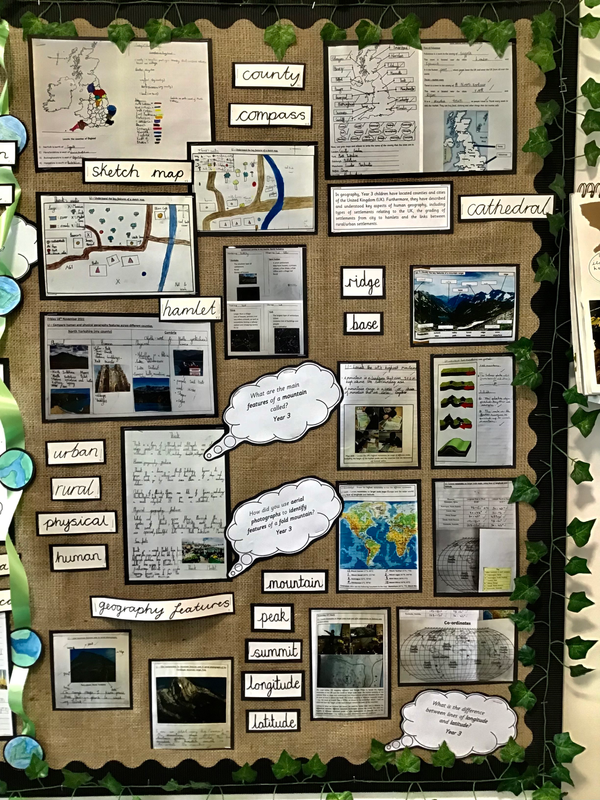
describe and understand key aspects of physical geography and human geography
-
use maps, atlases, globes and digital/computer mapping to locate countries and describe features studied
-
use the eight points of a compass, four and six-figure grid references, symbols and key (including the use of Ordnance Survey maps) to build their knowledge of the United Kingdom and the wider world
-
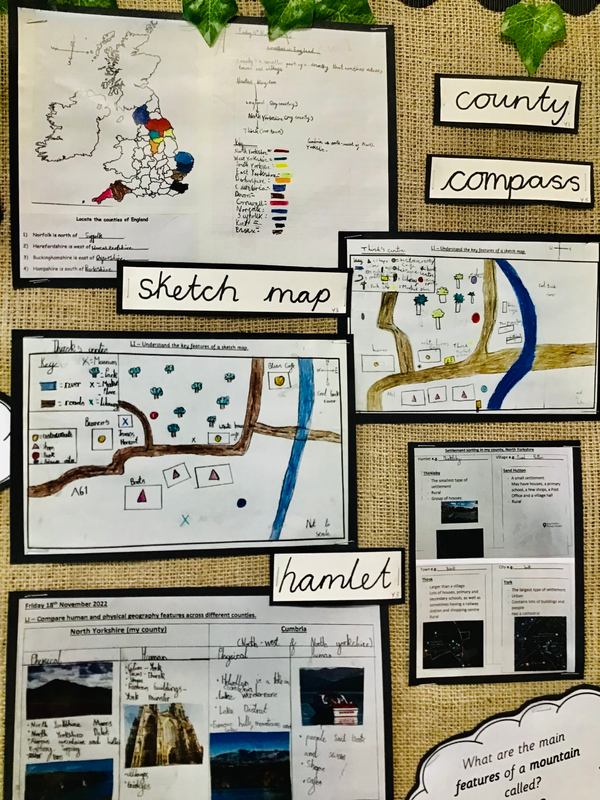
use fieldwork to observe, measure, record and present the human and physical features in the local area using a range of methods, including sketch maps, plans and graphs, and digital technologies. "
Intent
-
We use the Keeble Way to bring together our core teaching pedagogies to create inclusive, quality first teaching. Our ambition is to create Geography scholars. We aim that children will have secure contextual knowledge of local, national and globally significant places and be able to identify and locate a range of continents, countries and important cities. Moreover, we aspire that all children will have a secure understanding of a range of human and physical geographical characteristics and how these change over time. We understand the importance of allowing pupils to apply their knowledge at different scales and contexts, evidencing our continued commitment to supporting children in making connections across their learning and experiences. Through our school’s core values of ‘aspiration’ and ‘self-belief’, we equip children with the knowledge, skills and vocabulary to make connections between contemporary geographical issues, the academic subject and their experiences. We aim to develop Keeble children into becoming competent communicators of the geographical information that they learn, through a variety of ways, combining the development of their geographical skills.
- School-wide policy recognises geography as a fundamental subject in helping children define their sense of belonging in the wider world. The establishment of school ‘houses’, based on local heroes and linked to local places, helps children understand their identity in the local and wider community. These houses at Keeble have been named after Bumby, Lord, Hodgson and Herriot. Notably, Hodgson created the Kilburn White Horse - a hill figure cut into the hillside in the North Yorkshire Moors National Park, 8 miles from Thirsk.
- Through our aim of ensuring every child will read fluently and develop a love of reading, we use high quality texts to compliment the teaching of geography. These are selected from a list of high-quality texts (fiction and non-fiction), which were compiled by me and Elevate Trust’s select group of subject specialists within the Curriculum Team.
Impact
-
Children enjoy Geography. They talk about what they have learned with enthusiasm and are eager to learn more
-
Children are competent in using maps and other geographical resources.
-
Children have knowledge of human and physical features in a variety of significant global locations.
-
Children understand features of their locality and how it is similar and different to the wider world around it.